Mogadishu is facing a deepening waste crisis that is no longer confined to its streets. It is spreading into its coastline, ecosystems, and public health systems, raising urgent questions about governance, accountability, and environmental leadership in Somalia.
At a public panel discussion held this week in the capital organized by Somali Dialogue Center, environmental activists, youth leaders, and social media influencers issued a strong warning. The growing mobilization of young people around waste and pollution, they said, reflects a crisis that has reached a critical point. What was once seen as a sanitation issue is now widely recognized as a national environmental emergency demanding immediate action.
Participants accused the Banadir Regional Administration (BRA) and the Ministry of Environment and Climate Change of failing to provide leadership, enforce policy, and respond effectively to the scale of the problem.
From Streets to Sea: How Mogadishu’s Waste Reaches the Ocean
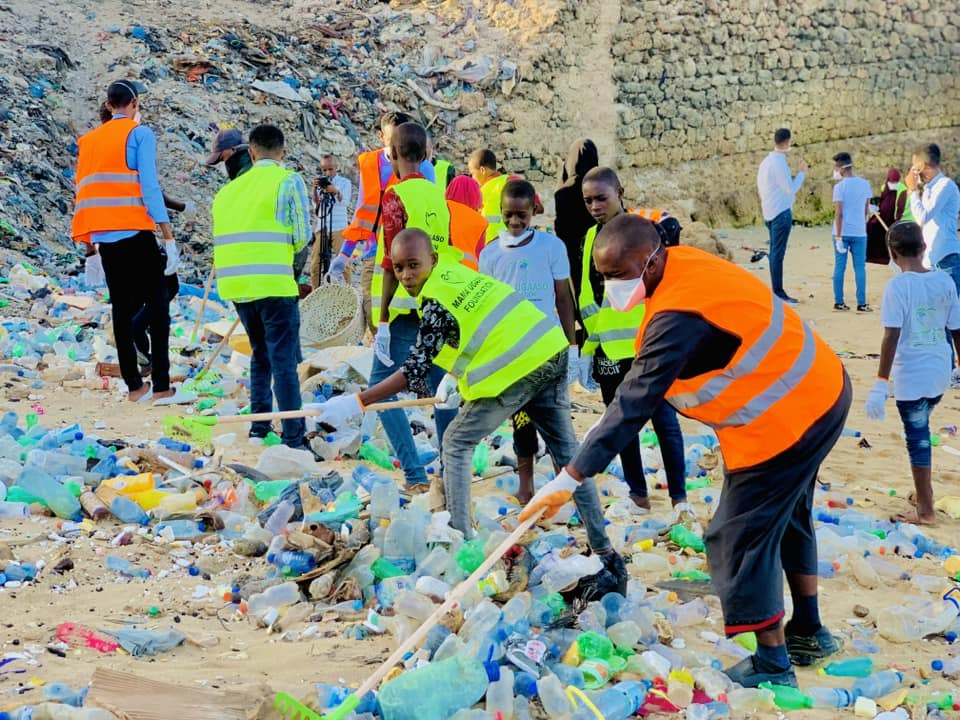
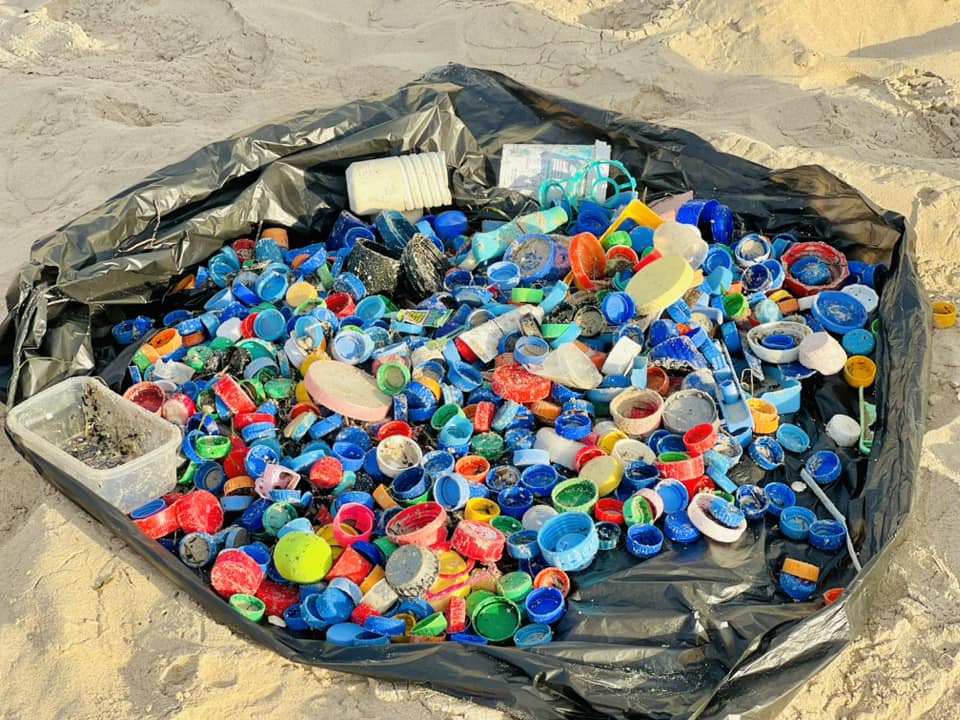
Scientific evidence supports what residents experience daily. A coastal assessment published in 2024 recorded 119,873 waste items along Liido Beach alone, with nearly 90% identified as plastic, classifying the coastline as “extremely dirty” under international standards.
This pollution is not random. It follows a clear path. Waste generated in the city is left uncollected, dumped in open areas, or blocked in drainage systems. During rains or through wind movement, it is transported directly into the ocean. Globally, about 80% of marine waste originates from land-based sources, and Mogadishu is a clear example of this pattern.
The study further shows that more than half of the waste comes from local activities, while over a third is the result of direct dumping. This confirms that the crisis is largely homegrown, driven by weak waste management systems and lack of enforcement.
What happens next is less visible but more dangerous. Plastics break down into microplastics, enter marine ecosystems, and eventually reach the human food chain through fish and seafood.


roads using basic tools and limited protective gear.
A Growing Environmental and Public Health Threat
The implications go far beyond environmental degradation. Poor waste management is increasingly recognized as a global public health threat. The World Health Organization warns that poorly managed solid waste is driving a growing health crisis, contributing to disease transmission, environmental contamination, and increased risks for vulnerable populations. In rapidly expanding cities like Mogadishu, these risks are amplified, as uncollected waste blocks drainage systems, contaminates water sources, and creates conditions for the spread of disease.
In Mogadishu, these risks are already visible. Waste blocks drainage systems, contributes to flooding, and creates breeding grounds for disease. Contaminated water and exposure to polluted environments are becoming part of daily life in some areas of the city.
One participant at the forum described the situation in stark terms:
“I believe Mogadishu is becoming the dirtiest city in the country, and maybe in the region. It is very clear that it is unhealthy to walk in some streets in the capital. There is more waste, unhygienic water, and pollution. The coasts of the city, including Liido, are becoming extremely dirty, while the community continues to pay for cleaning and waste management.”
Coastal Damage and the Threat to Somalia’s Blue Economy
Somalia’s coastline stretches over 3,000 kilometers and is one of the richest marine ecosystems in Africa. It supports fisheries, biodiversity, and livelihoods for thousands of coastal communities. Yet this natural asset is increasingly under pressure.
Marine pollution damages biodiversity, disrupts ecosystems, and reduces fish stocks. Coastal zones act as pollution sinks, accumulating waste that affects water quality and threatens marine life.
Read: Mogadishu’s Beach Cleaning Campaign: A story of environmental activists
This has direct economic consequences. Somalia’s blue economy, including fisheries and coastal tourism, depends on healthy ecosystems. As pollution increases, these sectors face growing risks.
Environmental ambassador Oscar Sulaiman warned that the situation is already critical:
“Large parts of Mogadishu’s coastline have effectively become dumping grounds. This is destroying marine life and threatening ecosystems. We have repeatedly called on the Ministry to act, but there has been no meaningful response.”


High Costs, Low Results: Where Are the Resources Going?
Participants also raised serious concerns about the financial and operational management of waste services in Mogadishu.
The private company Ifi Waste Management, which has held the city’s waste contract since 2021, charges households between $5 and $10 per month, while businesses and hotels pay between $30 and $100 depending on waste volume. Despite these payments, residents say there has been little visible improvement in waste collection, infrastructure, or cleanliness.
At the same time, the Banadir Regional Administration reportedly collects additional fees of $10 to $20 for road cleaning. Yet on the ground, sanitation workers often operate with minimal equipment and without protective gear.
Participants questioned whether the current system reflects effective service delivery or a lack of oversight and accountability in how public funds are managed.
Policy Commitments vs Reality on the Ground
Somalia’s Environmental Protection and Management Act clearly outlines the responsibilities of the Ministry of Environment. These include providing leadership, developing policies, enforcing environmental laws, monitoring environmental conditions, and ensuring proper waste management systems .
The law also requires that waste be minimized, safely managed, and disposed of in an environmentally sound manner, while mandating the protection of marine and coastal ecosystems.
However, the current situation in Mogadishu suggests a gap between policy commitments and implementation.
Oscar Sulaiman was direct in his criticism:
“The Ministry has failed to develop and enforce a clear waste management policy. Even the plastic bag ban, which consumed significant resources, has failed. Plastic is still everywhere in Mogadishu. That failure lies with the Ministry.”
Youth Step In as Institutions Fall Behind

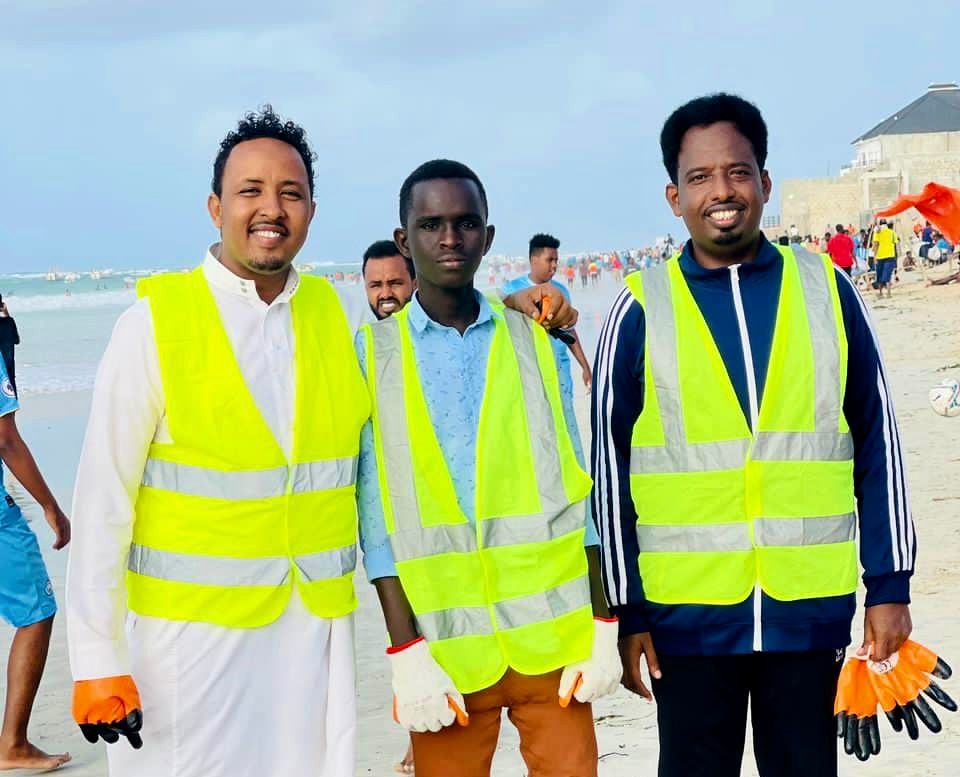
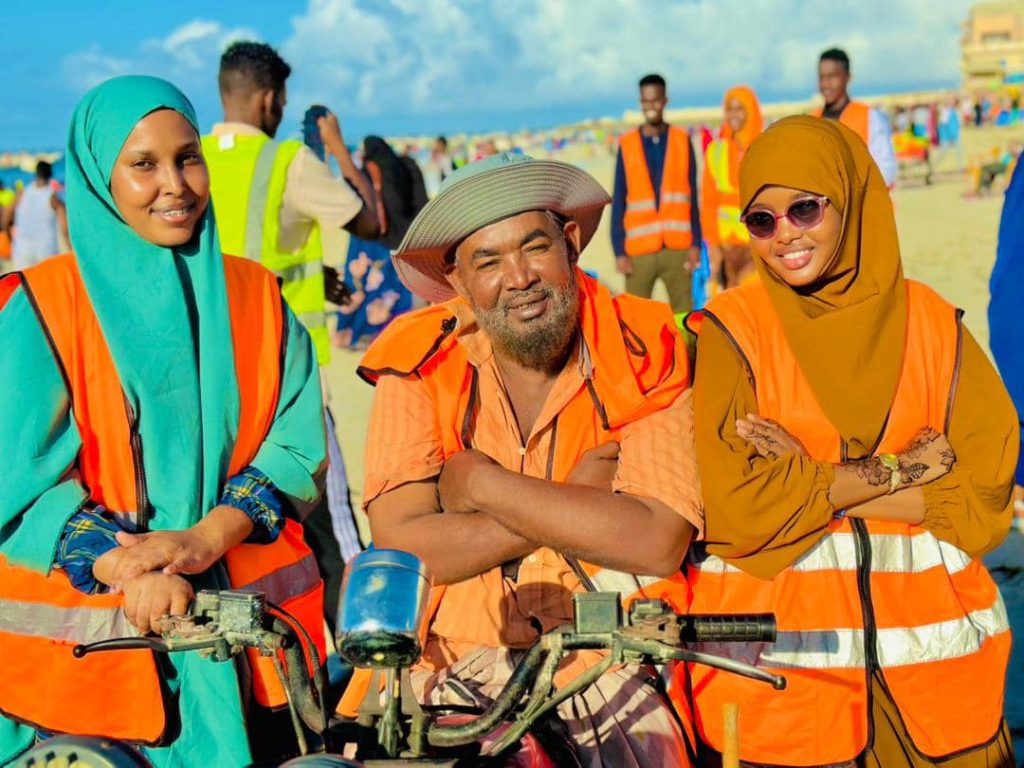
In the absence of effective government response, youth-led initiatives have emerged as a visible force in addressing the crisis. Social media campaigns and volunteer clean-up efforts are becoming more common, reflecting both frustration and civic responsibility.
Hafsa Xilkasta, known as “Xidigta Hodan,” described how these efforts began:
“We started cleaning because we saw the city becoming overwhelmed by waste. We are using our own resources, our own time. But this is not our responsibility alone. This is the responsibility of institutions that are not doing their job.”
Participants emphasized that while these efforts are important, they cannot replace systemic solutions. The increasing involvement of youth, they said, is itself a sign that the crisis has reached an alarming level.
A System Under Strain and a Call for Immediate Action
The discussion made clear that Mogadishu’s waste crisis is not simply about garbage. It reflects deeper structural challenges, including weak enforcement of laws, lack of coordination between institutions, limited transparency in the use of public funds, and absence of reliable environmental data.
At the same time, Somalia’s climate policy highlights the importance of protecting natural resources, strengthening resilience, and safeguarding key sectors such as marine ecosystems and urban environments . The current trajectory, however, suggests that these goals are not being met in practice.
Participants warned that without urgent reform, the consequences will continue to expand from city streets to coastlines, from environmental degradation to economic loss. They called for immediate and coordinated action to strengthen waste management systems, enforce environmental laws, invest in infrastructure and worker safety, and restore accountability at both municipal and national levels.
The message from the forum was clear. Mogadishu’s waste crisis is no longer a local inconvenience. It is a national environmental challenge with global implications, and the time for action is now.